

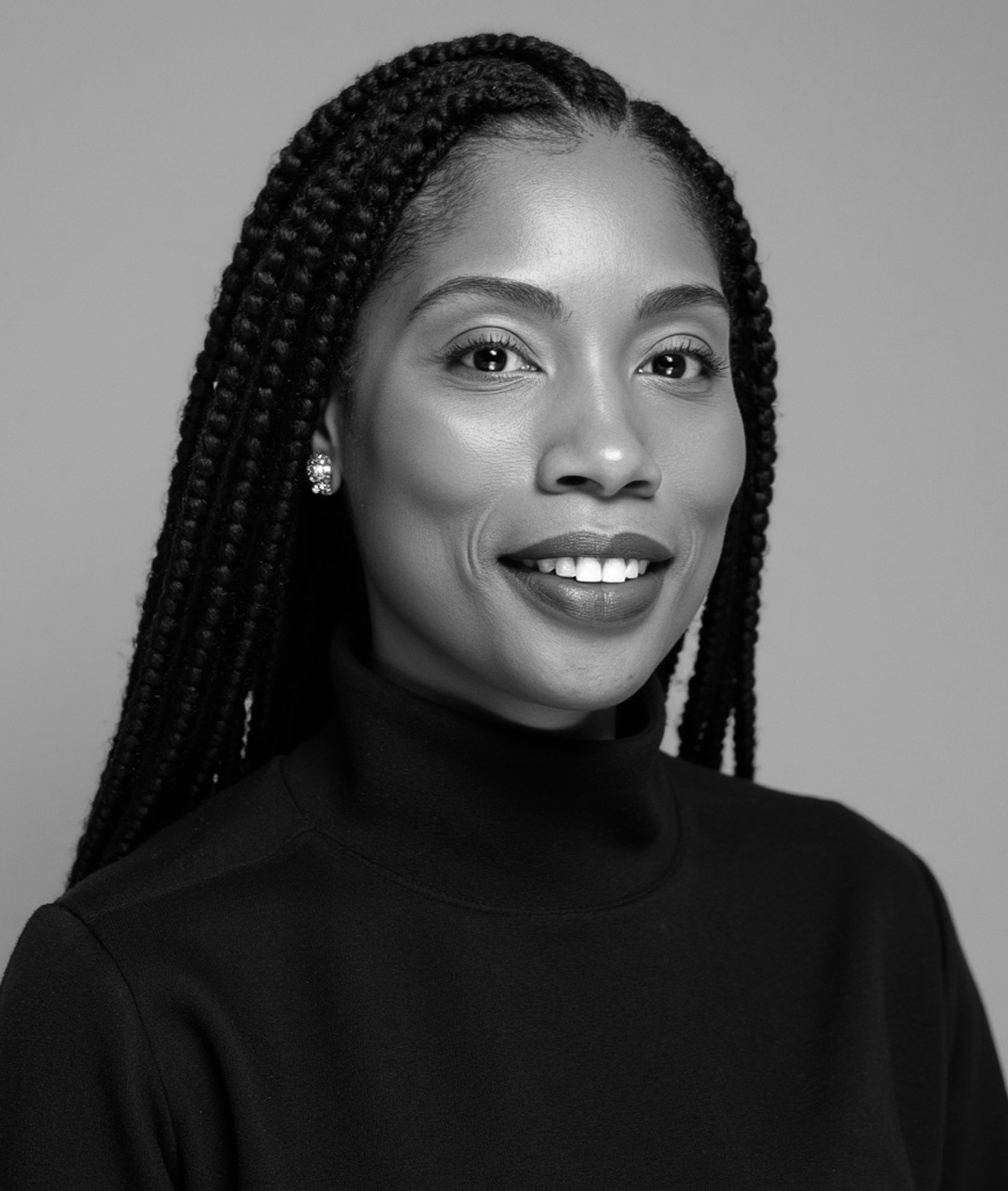
Last month was open enrollment. While health costs continue to climb during policy battles over coverage and affordability, I can’t stop thinking about the millions of Americans caught in a double bind: health care is more expensive, yet trustworthy guidance feels harder to find than ever. Even as someone who works in health, navigating coverage and information has never felt more complex. It was a reminder of a bigger reality, where access to quality care is narrowing at an accelerated pace, reserved for those who can pay rising costs and a system that was never built with many of us in mind.
Health exclusivity is showing up everywhere. Disparities are deepening not only for marginalized and low-income communities, but increasingly for White Americans as well. Expansion of inequity exists across racial, geographic and gender lines. Growing economic instability, policy rollbacks and access gaps are converging. At the same time, trust in health institutions and even in science itself is eroding under the weight of misinformation, leaving more people to navigate care, coverage and credible information largely on their own.
Our Chosen Circles data shows that people are navigating this critical health information gap in real time. More than a quarter of Americans (28%) say they feel stressed and anxious because they can’t find the health information they need. The top three challenges are around accessing relevant health information for cancer screenings and treatment, managing chronic illnesses, and mental health. On top of this, structural barriers make things harder: 43% say they can’t afford the health actions recommended to them, 37% say they couldn’t afford recommended food and 29% don’t have access to transportation to get care.
Most of us know that health doesn’t live only in the doctor’s office. It lives at kitchen tables, on social media, and in group chats where people turn to others they trust for guidance. Chosen Circles are increasingly driving health decisions as real conversations in which people share experiences, lean into their shared culture and solve problems together. As traditional sources lose credibility, these circles have become the new front lines for how people obtain health information and decide what’s right for them. In fact, 41% of Americans have created personal networks of trusted people and resources to make health decisions.
In this moment, advancing health equity remains crucial. Not as a message or one-off programs — equity has to be the lens for how we create information, who we center as messengers and how we define success. It has been gut-wrenching to watch industry peers and programs be eliminated this year as disparities continue to rise. Many organizations are cutting health equity budgets, roles and communications. We can’t improve population health without putting equity at the center.
For communicators, this shift is both a challenge and an opportunity. It requires us to move beyond one-way communication and engage in real dialogue. Storytelling has to connect with people where they are, in their culture and community. It means using simpler language, relatable ideas and even humor when it fits. Beyond the message, we need to work alongside the Chosen Circles as collaborators and messengers. Culture and community are not things to just “tap into.” Trust grows from being present and engaged consistently, on the ground.
Health communication at its best reflects the people it aims to serve. That means recognizing that equity and cultural resonance are not side strategies, but they are foundational. When we create communication that respects the lived experiences of people, we build trust, understanding and the power to make health better for everyone. The future of health communication will belong to those who listen first, partner locally and see people not as patients to inform, but as communities to be respected and engaged.